AI that takes the busywork off your operations team
We build it around the workflows your team already runs, then ship it into production - no off-the-shelf tool you have to bend your business around
No more off-the-shelf AI
A solution built for everyone fixes everyone's problem but yours.
- 01
Slow, unoptimized processes
Too many manual steps, too much waiting. A request that should take minutes drags on for days.
- 02
Inflexible vendors, pre-built solutions
Ask for a change and the answer is always “can’t be done.” Their product’s already built - you’re the one who has to adapt.
- 03
Data everywhere, useful nowhere
Spreadsheets, inboxes, scattered data. You can feel what an organized approach could unlock - but between one fire and the next, you never get to it.
AI consulting for ops teams that want solutions built around how they work - and that actually ship.







AI built around your operations and shipped to production, together
We work side by side with you at every step: we start from the work your operations team actually does, assess where AI delivers real value, and build the exact version you need with you, all the way to production.
Assessment of your processes
We map how your team really works.
Proof of where AI actually helps
We prove where AI delivers value.
Build of the smallest version
We build the smallest version, with you.
Release to production
Shipped into production, on real work.
Handover of the keys to your team
Handed over for your team to run.
Outcomes, not just demos
A few engagements where AI and automation moved a real operations metric. Each one shipped to production and is still in use.
Two ways in
AI Opportunity Audit
Starting from €1,500
A fixed-scope review of where AI and automation can take work off your operations team - and a concrete plan, with the expected payoff, you can act on with or without us.
- A map of where your ops team loses the most time
- The highest-payoff automations, ranked by return
- A plan you can act on - with or without us
AI Build & Ship
We design and build the AI solution around how you work, ship it to production, then hand it over to your team. Built for you, never pulled off a shelf.
- Built around your existing workflow, not a generic tool
- Live in production and used by your team - not a demo
- Handed over so your team can run it, support if you want it
Who we are
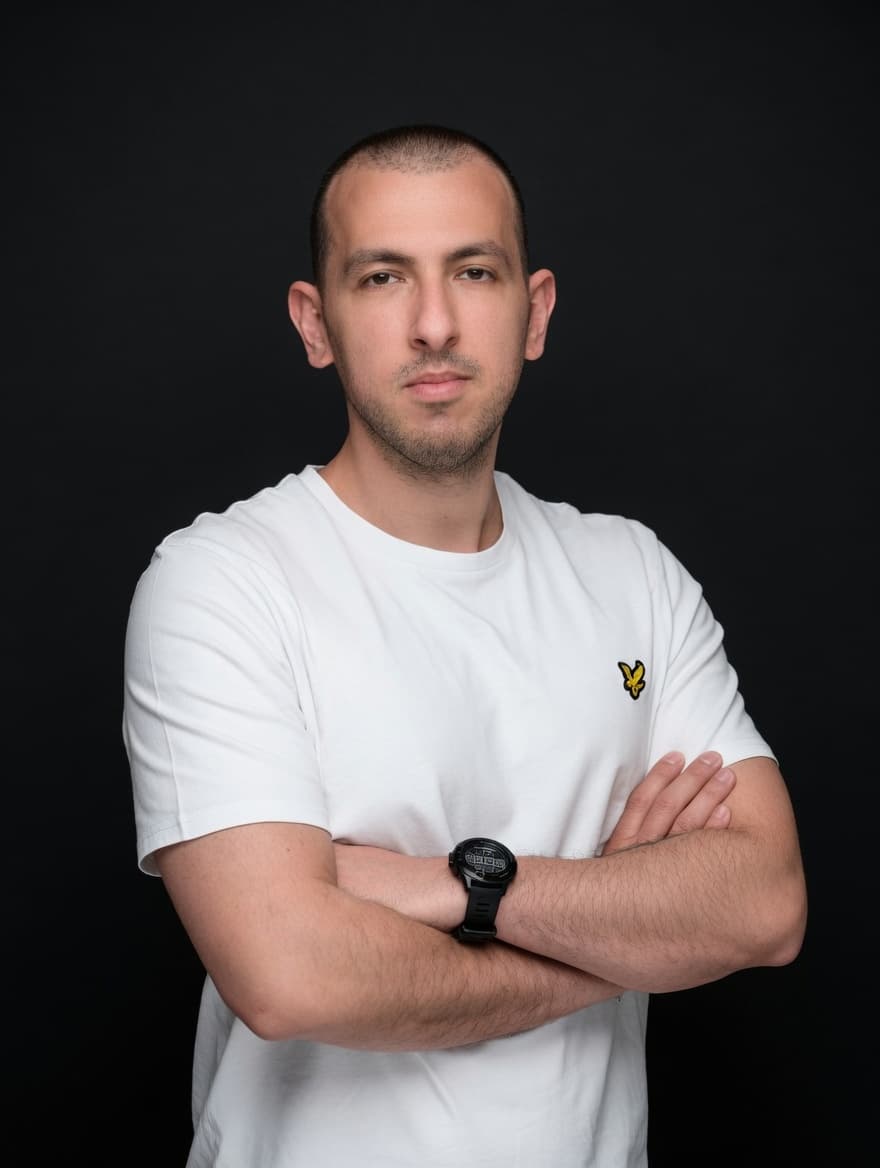
I'm Andrea - a data scientist with 12+ years in OSINT, data mining, and large-scale automation for enterprise clients. I head data science at SkillSherpa and founded dagtech in 2023 to bring that work to ops teams: AI built around how you work, shipped to production.
— Andrea D'Agostino, Founder, dagtech
clients served
90+
company founded
2023
industries served
5